
The High-Rise Ventilation & Fire Safety Compliance Checklist
A Guide for Property Managers: Meeting TR19®, BS EN 15780, and BS 9999 Standards
Use this checklist to audit your building’s current maintenance status and ensure you are protected against both fire risks and legal liability.
1. Documentation & Governance
[ ] System Schematic: Do you have an up-to-date drawing showing all duct runs, riser locations, and fire damper positions?
[ ] Asset Register: Is there a recorded list of every fire damper, including its type (mechanical, spring-loaded, or motorized)?
[ ] Previous Certification: Do you have TR19® Air certificates of cleanliness from the last 12–24 months?
2. Ductwork Cleanliness (TR19® Air & BS EN 15780)
[ ] Visual Inspection: Have the risers been inspected via access panels for visible dust accumulation or debris?
[ ] Deposit Measurement: Has a specialist technician performed a Deposit Accumulation Test (DAT)?
Note: Under TR19®, cleaning is usually required if the mean deposit exceeds 200 microns.
[ ] Air Quality Check: Are residents reporting "stuffy" air or visible dust around supply/extract grilles?
[ ] Post-Clean Verification: If recently cleaned, do you have photographic evidence of the "Before" and "After" states?
3. Fire Damper Maintenance (BS 9999)
[ ] Annual Drop Test: Have all fire dampers been physically "drop tested" within the last 12 months?
[ ] Accessibility: Are there adequate access panels to reach every fire damper? (If you can't reach it, you can't certify it).
[ ] Condition Report: Is there a log of any dampers that are corroded, obstructed by debris, or have failed their release mechanism?
[ ] Remedial Actions: Have any dampers that failed the last test been repaired or replaced?
4. Risk Mitigation & Insurance
[ ] Fire Risk Assessment (FRA): Does your current FRA specifically mention the internal condition of the ventilation ductwork?
[ ] Insurance Review: Have you confirmed with your insurer that your maintenance schedule meets their specific policy requirements for fire prevention?
Why this matters
Under the Regulatory Reform (Fire Safety) Order 2005, the "Responsible Person" is legally liable for the safety of the building's occupants. In the event of a fire, "hidden" negligence—like dirty ducts or seized dampers—is often the first thing forensic investigators check.
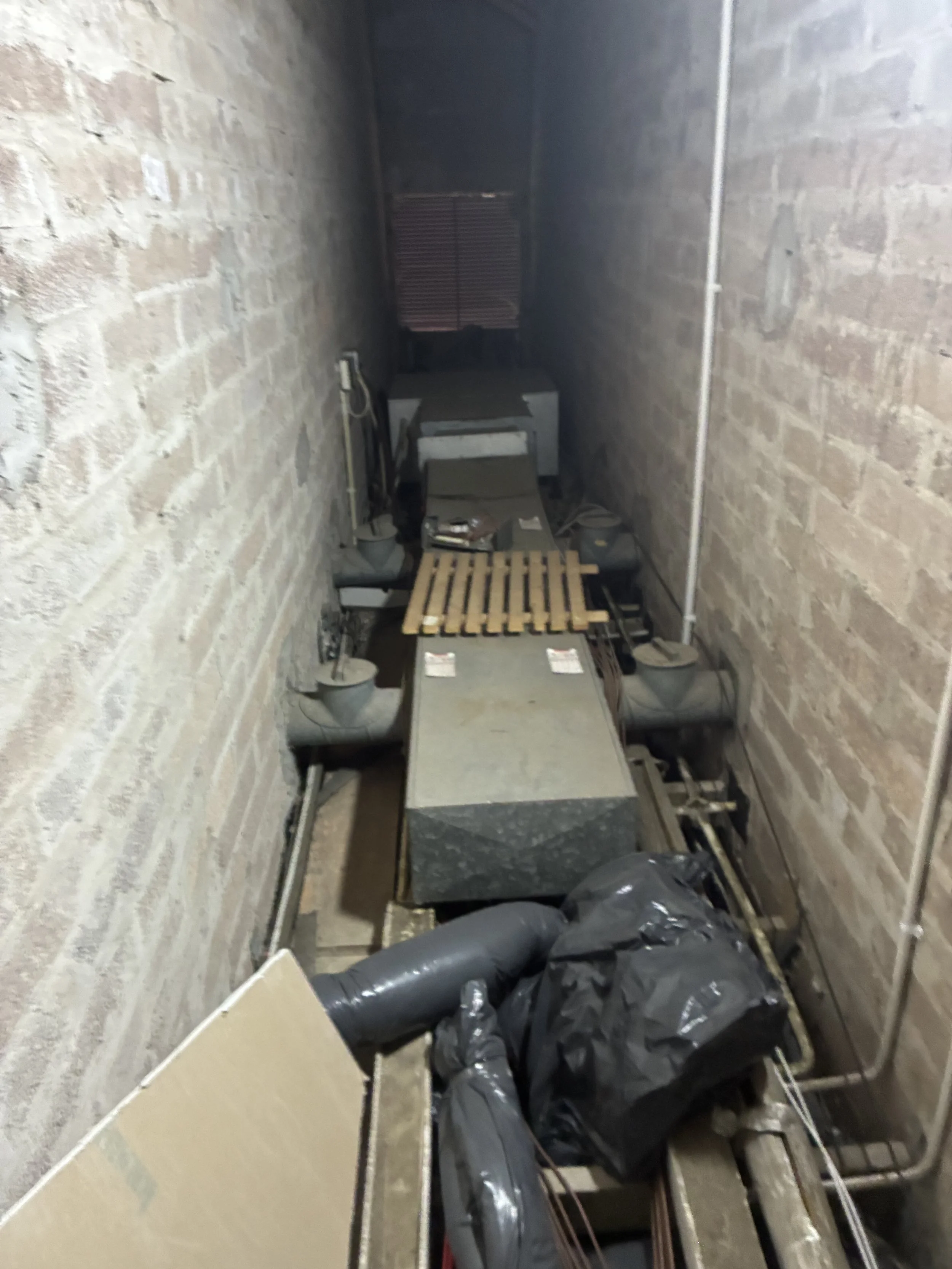
Is Your South Wales Business Compliant? The 2026 Guide to Ventilation Hygiene & TR19 Standards
As a business owner in Swansea, Cardiff, or the surrounding South Wales valleys, you have enough to worry about without adding "duct fire risk" to the list. However, with insurance requirements becoming stricter in 2026, Ventilation Hygiene is no longer just a cleaning task—it’s a legal necessity.
At Safe Duct, we’ve seen how quickly a minor grease buildup can turn into a major insurance headache. Here is everything you need to know to keep your premises safe, legal, and fully insured this year.
1. The TR19 Grease Certificate: Your Insurance Shield
If you run a commercial kitchen, you likely know the term TR19®. In 2026, insurance providers are demanding digital evidence of these certificates before renewing policies. A TR19 Grease Certificate isn't just a piece of paper; it's proof that your extraction system has been cleaned to the national standard set by BESA.
How often do you need a clean?
Heavy Use (12-16 hours/day): Every 3 months
Moderate Use (6-12 hours/day): Every 6 months
Light Use (2-6 hours/day): Every 12 months
2. Fire Damper Testing: The Forgotten Requirement
Fire dampers are the "silent guardians" of your building. Located inside your ductwork, they are designed to snap shut and stop the spread of fire between rooms. Under BS 9999, these must be tested annually.
Many South Wales businesses overlook this because dampers are hidden behind ceilings or walls. Our team provides full Fire Damper Testing across South Wales, complete with photographic reports for your fire risk assessment.
3. Specialized Hygiene for Care Homes & Healthcare
For care homes in Swansea and Neath, air quality is a clinical priority. The 2026 Decent Homes Standard and CQC guidelines now place heavier emphasis on "effective ventilation" to prevent the spread of airborne pathogens. Regular duct hygiene ensures that the air being circulated to vulnerable residents is clean, filtered, and free of dust mites and mold.
4. Why "Local" Matters for Your Bottom Line
When you search for "commercial extractor fan cleaning near me," you’ll see national firms. But choosing a local South Wales specialist like Safe Duct offers three main advantages:
Rapid Response: We’re just down the M4, meaning we can be on-site for emergency inspections faster.
Local Knowledge: We understand the specific EHO (Environmental Health Office) requirements for councils in Swansea, Carmarthenshire, and Rhondda Cynon Taf.
Competitive Pricing: No "national" travel surcharges—just honest, local service.
Don’t Wait for the Audit
A failed inspection or a kitchen fire can close your doors for good. Ensure your business is compliant with a professional ventilation hygiene assessment.
Is your TR19 Certificate up to date? [Contact Safe Duct Ventilation Hygiene Today for a Free Quote]