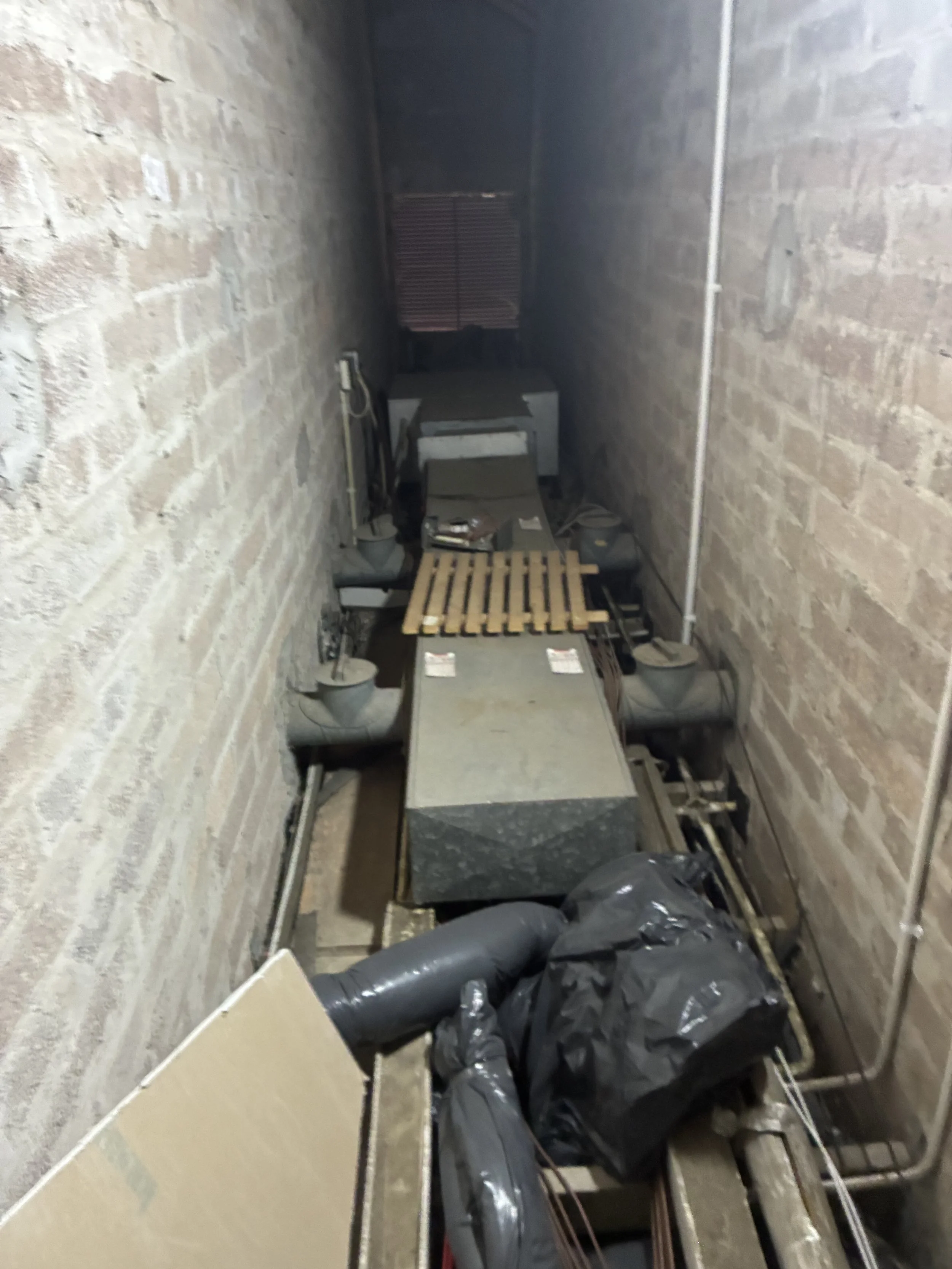
A Guide for Property Managers: Meeting TR19®, BS EN 15780, and BS 9999 Standards
Use this checklist to audit your building’s current maintenance status and ensure you are protected against both fire risks and legal liability.
1. Documentation & Governance
[ ] System Schematic: Do you have an up-to-date drawing showing all duct runs, riser locations, and fire damper positions?
[ ] Asset Register: Is there a recorded list of every fire damper, including its type (mechanical, spring-loaded, or motorized)?
[ ] Previous Certification: Do you have TR19® Air certificates of cleanliness from the last 12–24 months?
2. Ductwork Cleanliness (TR19® Air & BS EN 15780)
[ ] Visual Inspection: Have the risers been inspected via access panels for visible dust accumulation or debris?
[ ] Deposit Measurement: Has a specialist technician performed a Deposit Accumulation Test (DAT)?
Note: Under TR19®, cleaning is usually required if the mean deposit exceeds 200 microns.
[ ] Air Quality Check: Are residents reporting "stuffy" air or visible dust around supply/extract grilles?
[ ] Post-Clean Verification: If recently cleaned, do you have photographic evidence of the "Before" and "After" states?
3. Fire Damper Maintenance (BS 9999)
[ ] Annual Drop Test: Have all fire dampers been physically "drop tested" within the last 12 months?
[ ] Accessibility: Are there adequate access panels to reach every fire damper? (If you can't reach it, you can't certify it).
[ ] Condition Report: Is there a log of any dampers that are corroded, obstructed by debris, or have failed their release mechanism?
[ ] Remedial Actions: Have any dampers that failed the last test been repaired or replaced?
4. Risk Mitigation & Insurance
[ ] Fire Risk Assessment (FRA): Does your current FRA specifically mention the internal condition of the ventilation ductwork?
[ ] Insurance Review: Have you confirmed with your insurer that your maintenance schedule meets their specific policy requirements for fire prevention?
Why this matters
Under the Regulatory Reform (Fire Safety) Order 2005, the "Responsible Person" is legally liable for the safety of the building's occupants. In the event of a fire, "hidden" negligence—like dirty ducts or seized dampers—is often the first thing forensic investigators check.